
Retatrutide: Triple-Agonist Research Compound Overview
A structural and mechanistic overview of the GLP-1/GIP/glucagon triple-receptor agonist, and the metabolic, hepatic, and structural research domains it has been studied in.
For Research Use Only — Not for human or veterinary use.
You must be 21 years of age or older to enter this site. By entering, you confirm that you are 21 or older, and that any products purchased will be used solely for laboratory research purposes — not for human or veterinary consumption, diagnostic, or therapeutic use.
A structural and mechanistic overview of the GLP-1/GIP/glucagon triple-receptor agonist, and the metabolic, hepatic, and structural research domains it has been studied in.
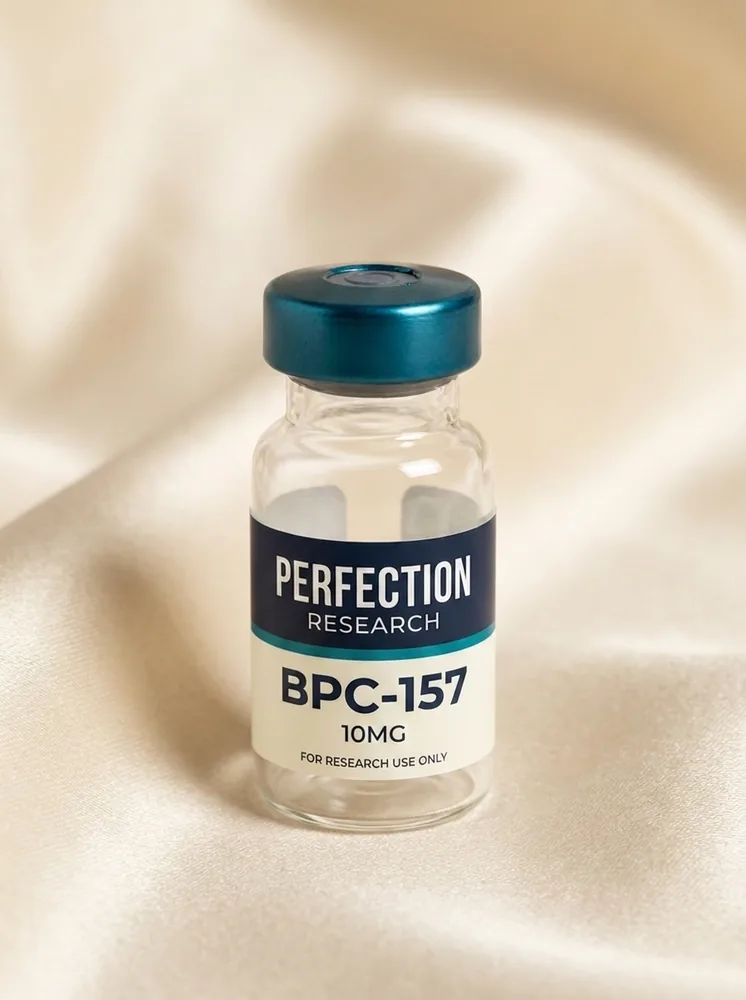
A research overview of the gastric-derived pentadecapeptide BPC-157, its proposed VEGFR2/angiogenesis and growth-hormone-receptor mechanisms, and the tissue-repair, GI, and neurological research domains where it has been studied.
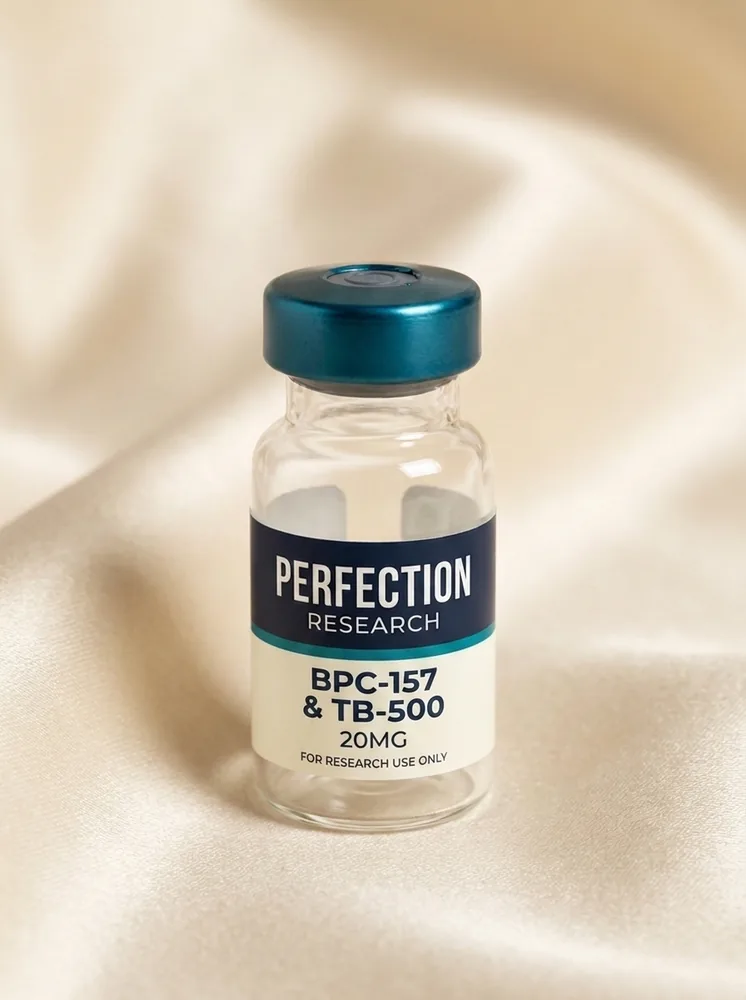
Chemistry, proposed mechanism, and the research domains — cardiac, ophthalmic, and general tissue repair — where the Thymosin Beta-4 fragment appears most in the literature.
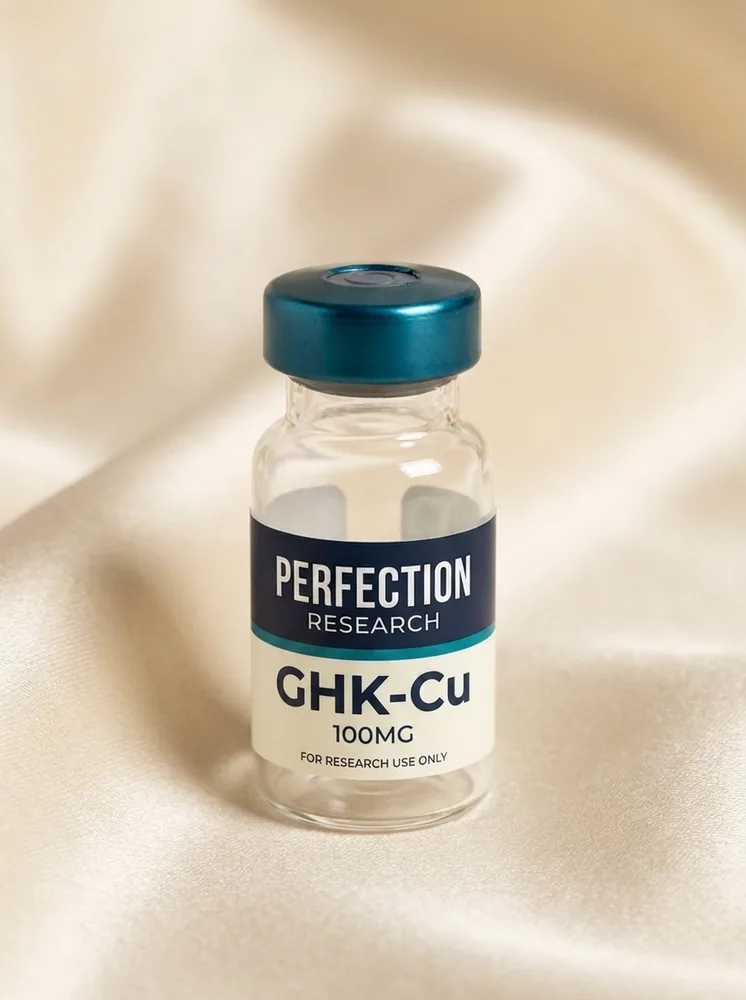
How the copper-binding tripeptide complex is structured, its proposed gene-expression and tissue-remodeling mechanisms, and the dermal, antioxidant, and aging research domains it has been studied in.
A comparative overview of single-, dual-, and triple-receptor agonist research compounds in the metabolic research literature.

A research overview of the mitochondrial-encoded peptide MOTS-c, its proposed AMPK-linked mechanism, and the metabolic, exercise, bone, and aging research domains where it has been studied.
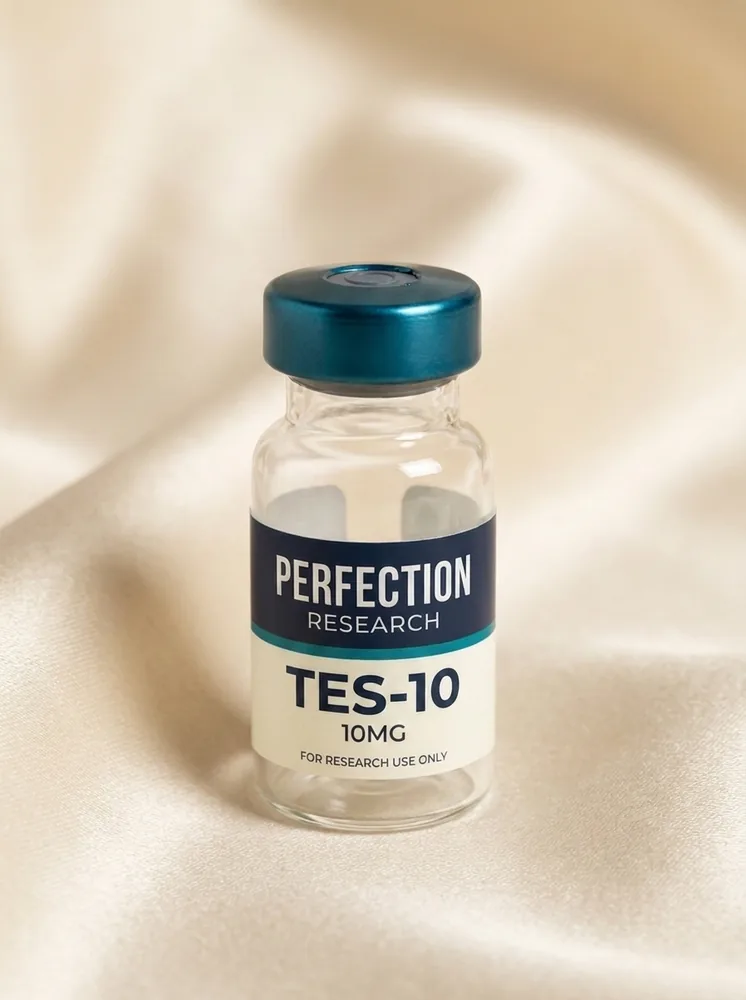
A research overview of the GHRH analog tesamorelin, its receptor-mediated mechanism, and the visceral-fat, hepatic, and cognitive research domains it has been studied in.
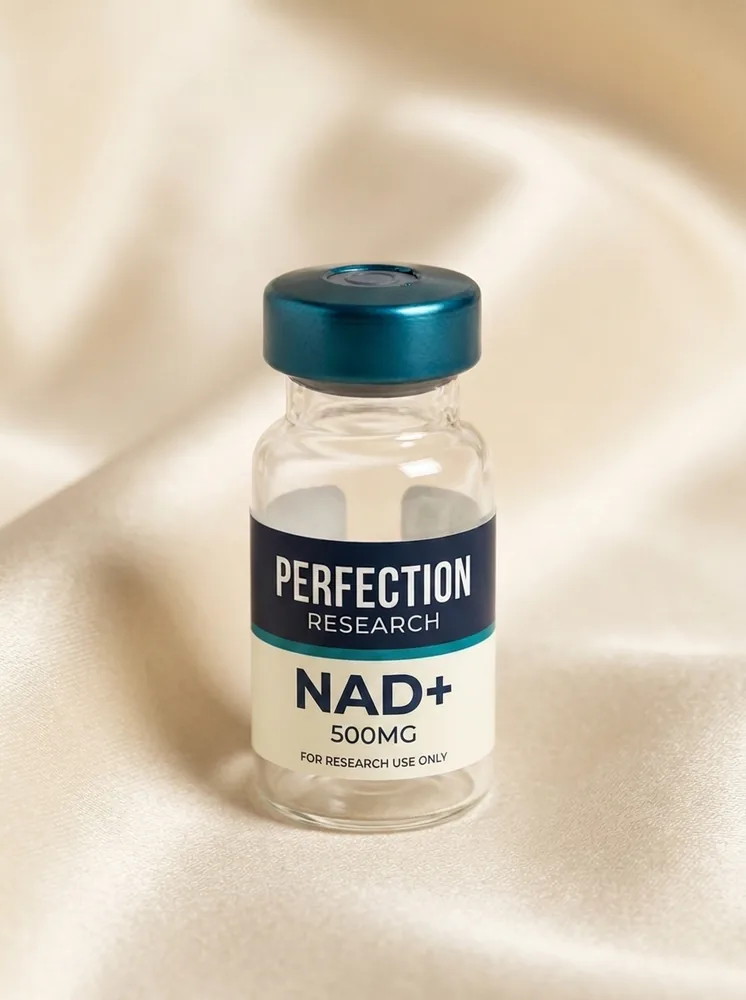
A research overview of NAD+ as a redox coenzyme and sirtuin cofactor, its age-related decline, and the pharmacokinetic and mitochondrial-function research domains it has been studied in.
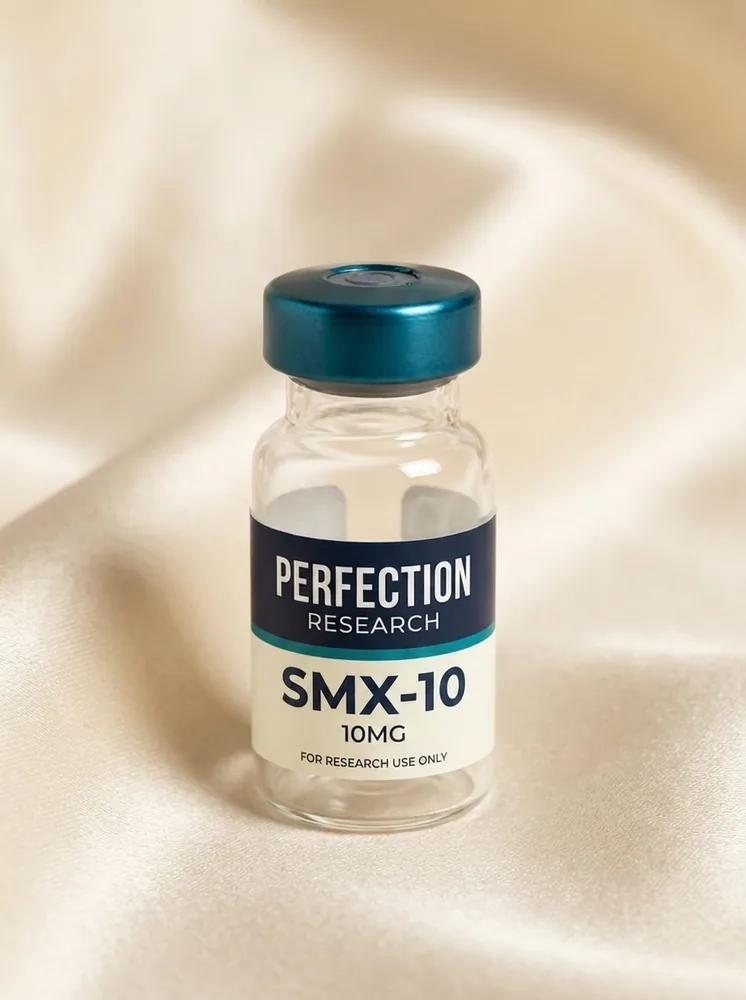
A research overview of the ACTH(4-10) analog Semax, its proposed BDNF-linked mechanism, and the neuroprotective, cognitive, and clinical stroke research domains it has been studied in.
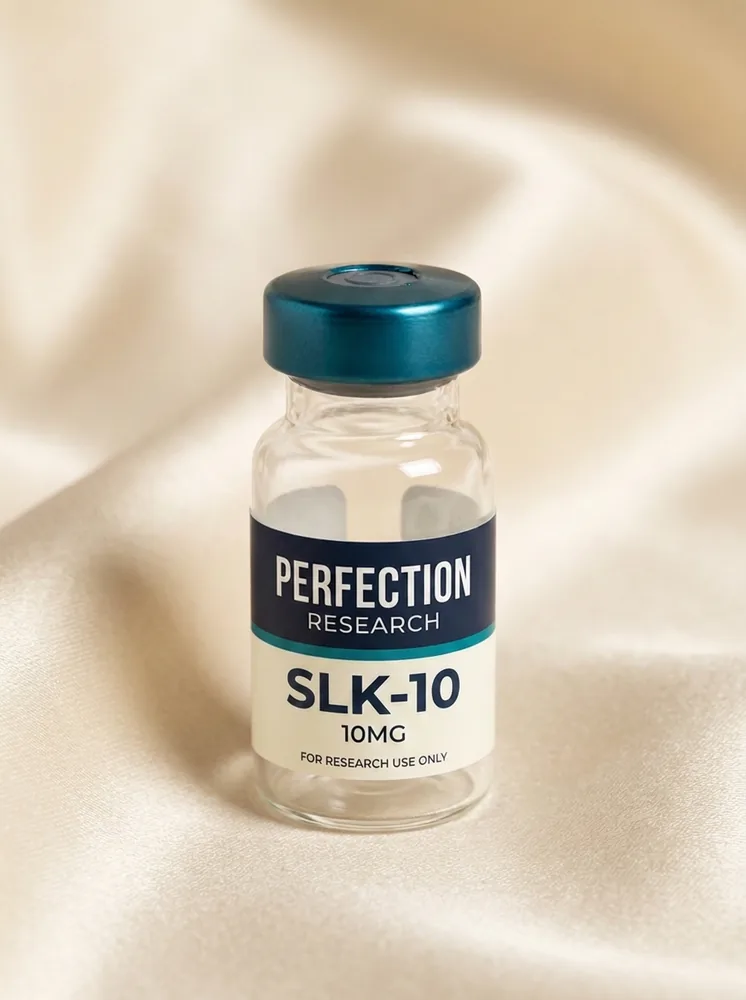
A research overview of the tuftsin-derived heptapeptide Selank, its proposed enkephalinase-inhibition mechanism, and the anxiolytic, stress-model, and human neuroimaging research domains it has been studied in.
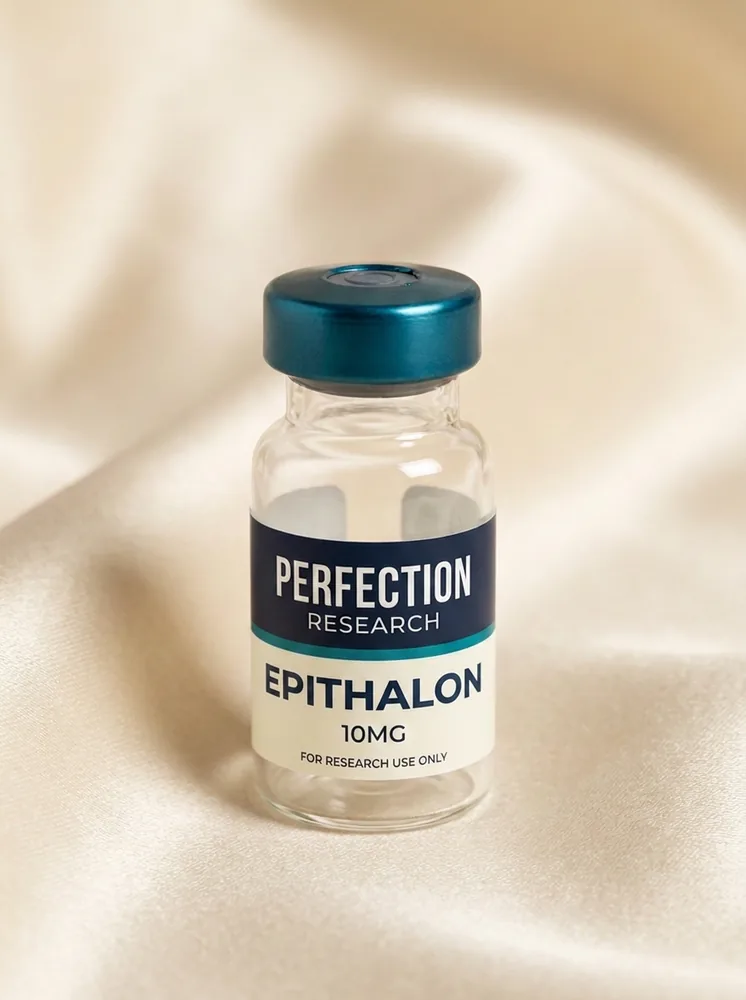
A research overview of the pineal-derived tetrapeptide Epithalon, its proposed telomerase-activation mechanism, and the cellular-senescence and lifespan research domains it has been studied in.

A research overview of the cardiolipin-binding tetrapeptide SS-31 (elamipretide), its proposed inner-mitochondrial-membrane mechanism, and the metabolic and cardiac research domains it has been studied in.
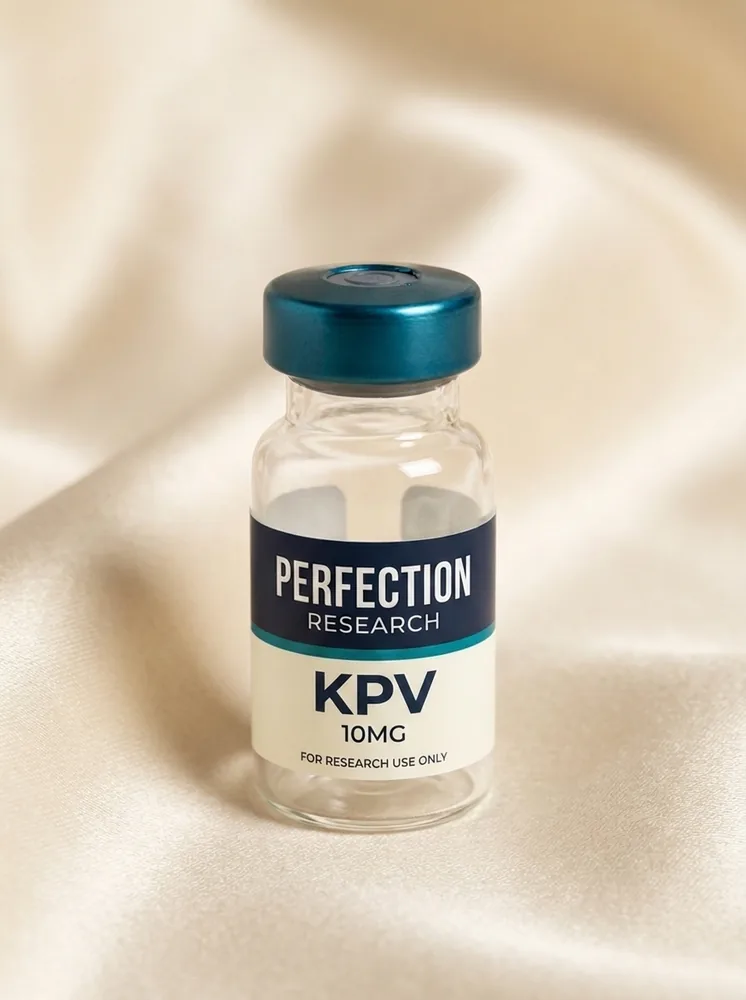
A research overview of the alpha-MSH-derived tripeptide KPV, its receptor-independent NF-κB mechanism, and the inflammatory bowel disease and immune-signaling research domains it has been studied in.
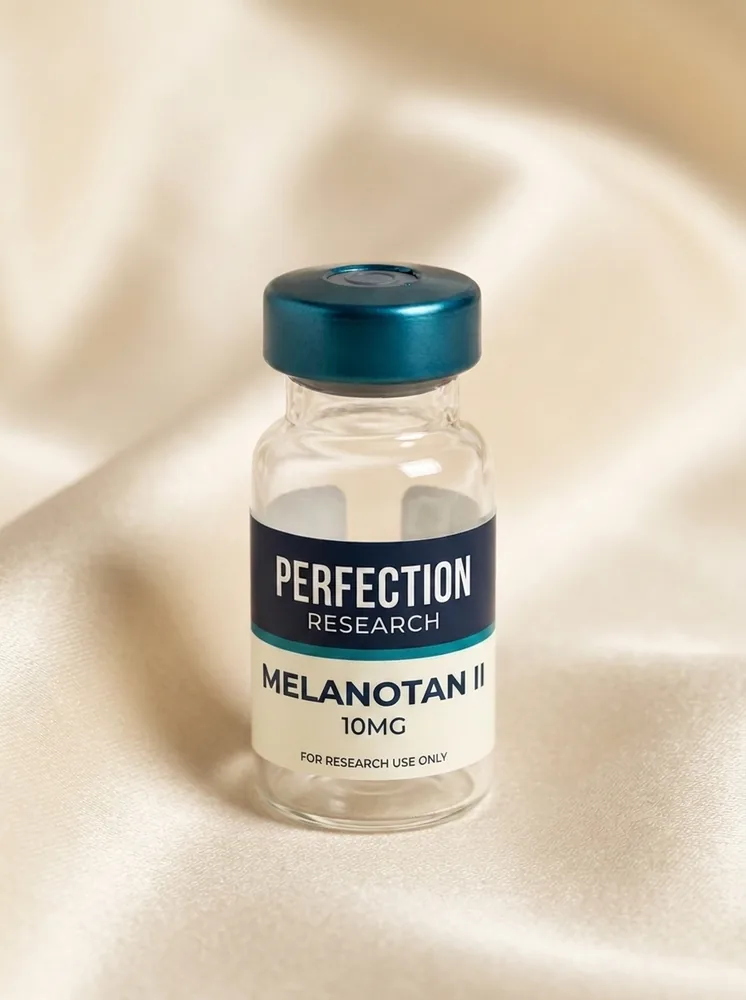
A research overview of the synthetic cyclic alpha-MSH analog Melanotan II, its non-selective melanocortin-receptor mechanism, and the pigmentary, metabolic, and receptor-pharmacology research domains it has been studied in.

An overview of how the BPC-157, TB-500, and GHK-Cu blend in the Glow vial is composed, the individually published literature behind each component, and what combined-compound research formulations do and don't tell researchers.