
Retatrutide: Triple-Agonist Research Compound Overview
A structural and mechanistic overview of the GLP-1/GIP/glucagon triple-receptor agonist, and the metabolic, hepatic, and structural research domains it has been studied in.
For Research Use Only — Not for human or veterinary use.
You must be 21 years of age or older to enter this site. By entering, you confirm that you are 21 or older, and that any products purchased will be used solely for laboratory research purposes — not for human or veterinary consumption, diagnostic, or therapeutic use.
A research overview of the GHRH analog tesamorelin, its receptor-mediated mechanism, and the visceral-fat, hepatic, and cognitive research domains it has been studied in.
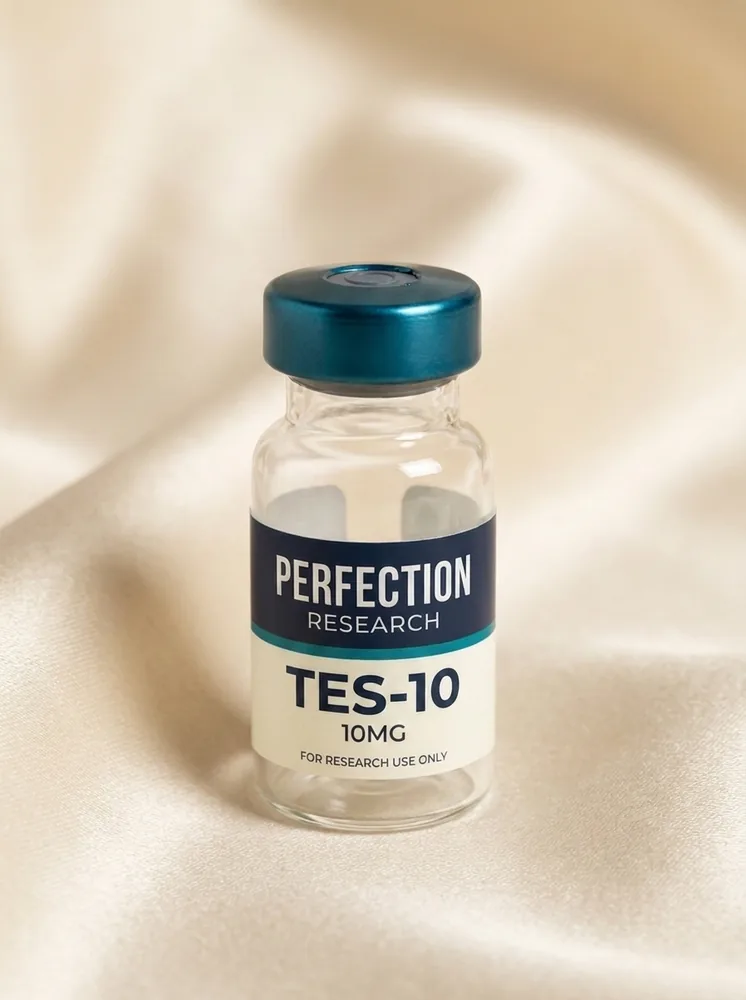
All content on this page is for laboratory and academic reference only. This compound is supplied under a Research Use Only framework for in vitro and preclinical investigation by qualified personnel. Nothing on this page is clinical guidance, and it should not be interpreted as instructions for use in humans or animals.
Tesamorelin is a synthetic analog of growth hormone-releasing hormone (GHRH), the hypothalamic signal that triggers the pituitary gland to release growth hormone (GH). Unlike compounds that introduce GH directly, tesamorelin research is built around stimulating the body's own pulsatile GH release pattern, which is studied as a way of preserving normal feedback regulation compared to exogenous GH administration.[1]
Tesamorelin binds the GHRH receptor on pituitary somatotroph cells, stimulating GH release. The released GH subsequently stimulates hepatic production of insulin-like growth factor-1 (IGF-1), and clinical trial data report tesamorelin increasing IGF-1 levels from baseline in a dose-dependent manner.[1] Downstream, GH is studied for promoting lipolysis via hormone-sensitive lipase activation in adipocytes, with visceral fat cells reported as particularly responsive due to higher beta-adrenergic receptor density — this is the proposed basis for the visceral-fat-specific effects reported in trial data.[2] Separately, a cognitive research trial reported that tesamorelin-driven IGF-1 elevation was associated with changes in brain GABA and other neurometabolite levels, alongside improved executive-function test scores.[4]
Tesamorelin is mechanistically distinct from the receptor-agonist metabolic peptides elsewhere in this catalog, such as R3 (retatrutide), which acts directly on GLP-1, GIP, and glucagon receptors. Tesamorelin instead acts upstream, at the GHRH receptor, stimulating endogenous GH release rather than engaging metabolic receptors directly — a mechanistically separate research pathway toward body-composition-related endpoints.
A Certificate of Analysis for a TES-10 research vial should report, at minimum: confirmed amino acid sequence (typically via mass spectrometry) and net peptide content. Vials should be stored lyophilized at -20°C, protected from light, consistent with handling guidance for the other lyophilized peptides in this catalog.
Tesamorelin is a GHRH analog that binds the GHRH receptor to stimulate endogenous, pulsatile growth hormone release, which in turn stimulates hepatic IGF-1 production.[1]
Visceral adipose tissue reduction is the most extensively studied domain, with pooled phase 3 trial data reporting sustained reductions through 52 weeks.[2]
Yes. A separate controlled trial studied tesamorelin in cognitive research contexts, reporting improved executive function and short-term verbal memory in older adults.[4]
The two act on different pathways: TES-10 stimulates endogenous growth hormone release via the GHRH receptor, while R3 (retatrutide) acts directly on GLP-1, GIP, and glucagon receptors.
A COA for a TES-10 research vial should report confirmed amino acid sequence and net peptide content, consistent with the documentation standard used across this catalog.
No. TES-10 is supplied strictly under a Research Use Only framework for laboratory and preclinical investigation, and none of the studies referenced here involve clinical administration guidance outside their own regulated trial protocols.
A structural and mechanistic overview of the GLP-1/GIP/glucagon triple-receptor agonist, and the metabolic, hepatic, and structural research domains it has been studied in.
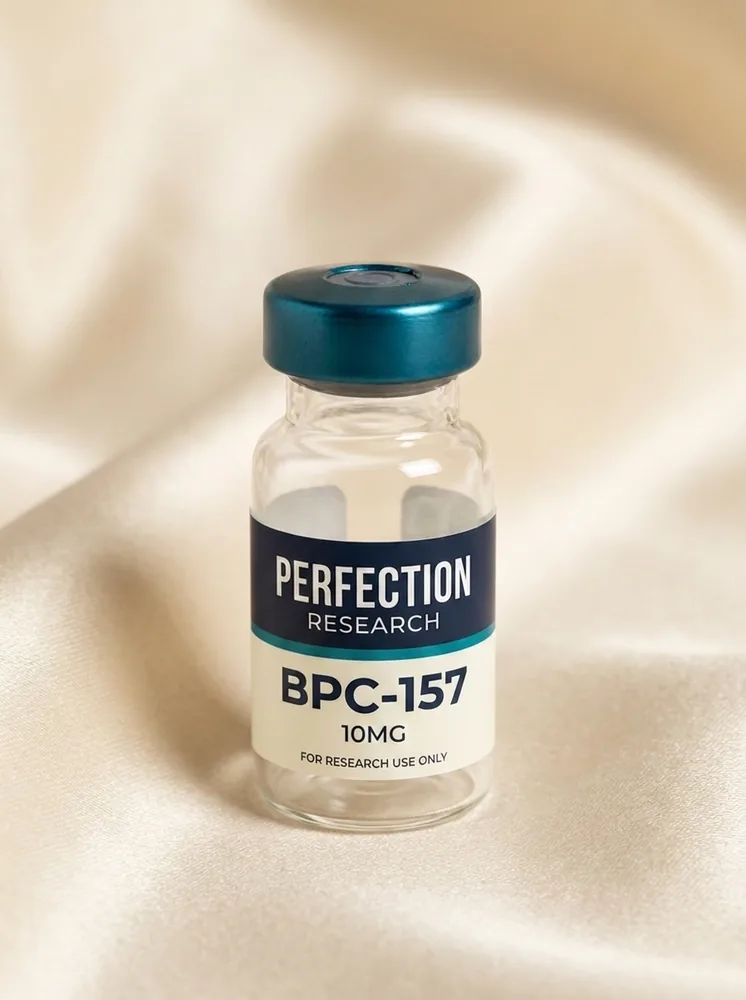
A research overview of the gastric-derived pentadecapeptide BPC-157, its proposed VEGFR2/angiogenesis and growth-hormone-receptor mechanisms, and the tissue-repair, GI, and neurological research domains where it has been studied.
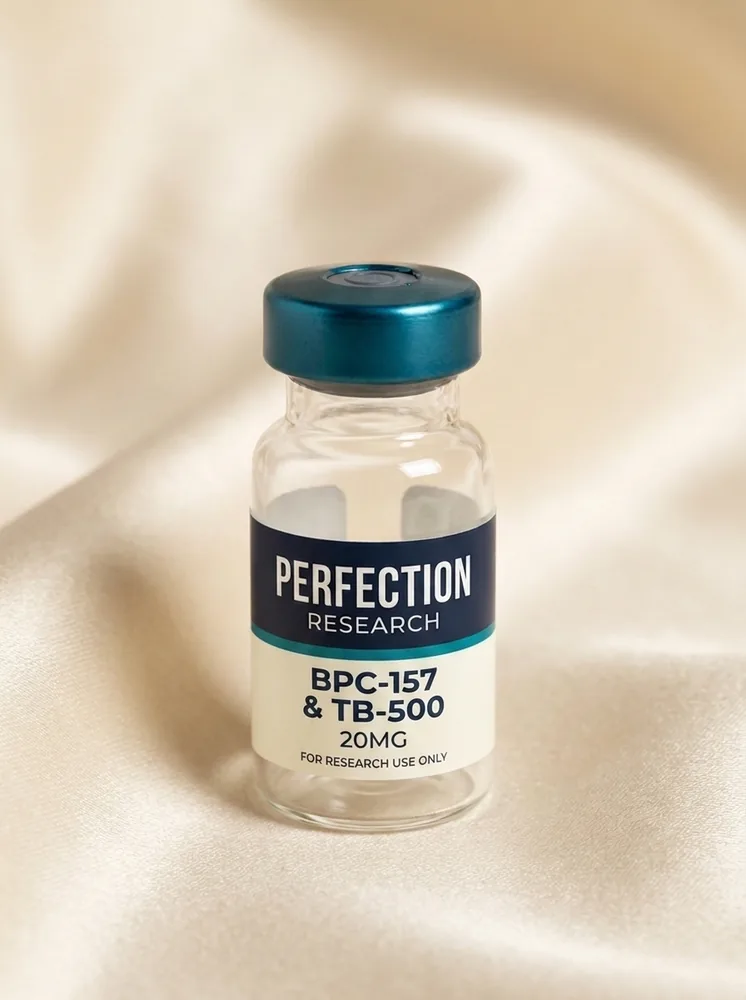
Chemistry, proposed mechanism, and the research domains — cardiac, ophthalmic, and general tissue repair — where the Thymosin Beta-4 fragment appears most in the literature.