
Retatrutide: Triple-Agonist Research Compound Overview
A structural and mechanistic overview of the GLP-1/GIP/glucagon triple-receptor agonist, and the metabolic, hepatic, and structural research domains it has been studied in.
For Research Use Only — Not for human or veterinary use.
You must be 21 years of age or older to enter this site. By entering, you confirm that you are 21 or older, and that any products purchased will be used solely for laboratory research purposes — not for human or veterinary consumption, diagnostic, or therapeutic use.
A research overview of the alpha-MSH-derived tripeptide KPV, its receptor-independent NF-κB mechanism, and the inflammatory bowel disease and immune-signaling research domains it has been studied in.
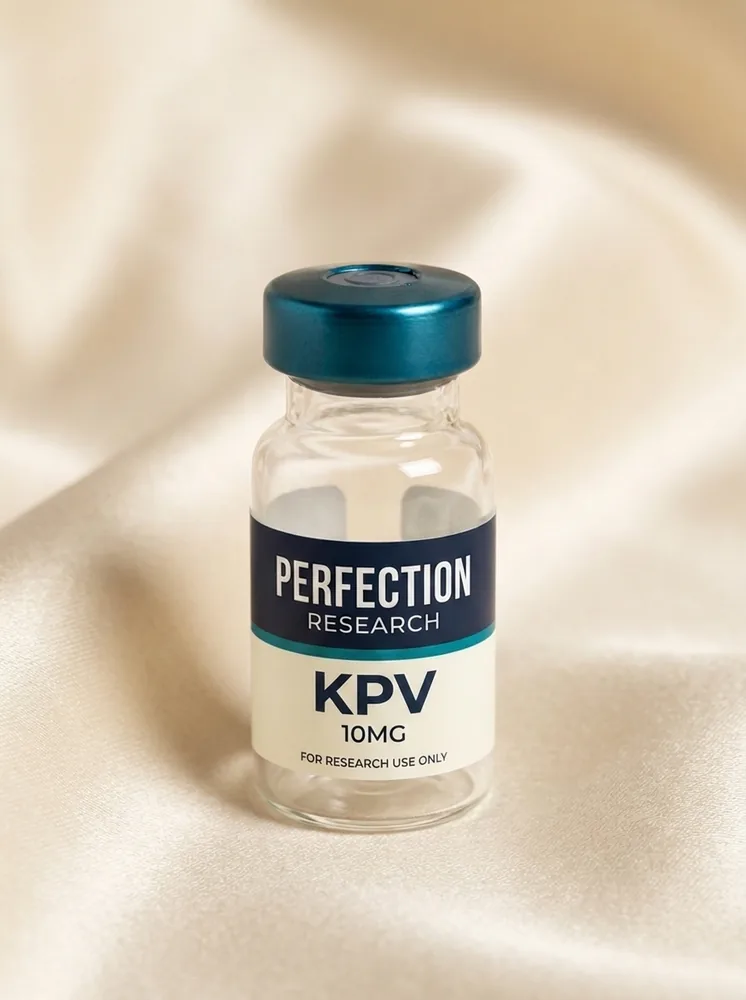
All content on this page is for laboratory and academic reference only. This compound is supplied under a Research Use Only framework for in vitro and preclinical investigation by qualified personnel. Nothing on this page is clinical guidance, and it should not be interpreted as instructions for use in humans or animals.
KPV is a naturally occurring tripeptide (lysine-proline-valine) corresponding to the C-terminal fragment, residues 11 through 13, of alpha-melanocyte-stimulating hormone (alpha-MSH), a 13-amino-acid neuropeptide produced in the pituitary gland and various peripheral tissues. KPV research is distinguished from full-length alpha-MSH research by its reported receptor-independent activity — KPV does not bind melanocortin receptors (MC1-5R) or increase intracellular cAMP the way alpha-MSH does, meaning its studied anti-inflammatory effects are mechanistically separate from alpha-MSH's classical hormonal signaling.[1]
The mechanism most reported for KPV involves inhibition of NF-κB (nuclear factor kappa B), a transcription factor that governs the expression of many inflammatory genes. In intestinal epithelial and immune cell research models, KPV has been reported to inhibit NF-κB nuclear translocation by preventing degradation of IκBα, the inhibitory protein that normally holds NF-κB inactive in the cytoplasm.[2] A separate line of research reported that in a crystal-induced peritonitis model, KPV's antimigratory effect on immune cells was not blocked by melanocortin receptor antagonists, supporting the receptor-independent mechanism proposed for this fragment specifically.[1] Notably, KPV is transported into intestinal cells via the PepT1 peptide transporter, which researchers report allows it to remain active when administered orally — a pharmacokinetic property distinct from most peptides, which typically require injection to avoid gastrointestinal degradation.[2]
KPV is mechanistically distinct from the other repair-focused peptides in this catalog. Where BPC-157 is studied for VEGFR2/angiogenesis-linked tissue-repair pathways, KPV's research basis centers on NF-κB inhibition and receptor-independent anti-inflammatory signaling — a separate mechanism relevant to inflammatory rather than structural repair research questions.
A Certificate of Analysis for a KPV research vial should report, at minimum: confirmed amino acid sequence (typically via mass spectrometry) and net peptide content. Vials should be stored lyophilized at -20°C, protected from light, consistent with handling guidance for the other lyophilized peptides in this catalog.
KPV is a naturally occurring tripeptide corresponding to residues 11-13 of alpha-melanocyte-stimulating hormone (alpha-MSH).[1]
No. Research reports KPV does not bind melanocortin receptors or increase intracellular cAMP, meaning its studied anti-inflammatory effects are receptor-independent.[1]
Research centers on inhibition of NF-κB activation by preventing IκBα degradation in intestinal epithelial and immune cell models.[2]
A COA for a KPV research vial should report confirmed amino acid sequence and net peptide content, consistent with the documentation standard used across this catalog.
No. KPV is supplied strictly under a Research Use Only framework for laboratory and preclinical investigation, and none of the studies referenced here involve clinical administration guidance.
A structural and mechanistic overview of the GLP-1/GIP/glucagon triple-receptor agonist, and the metabolic, hepatic, and structural research domains it has been studied in.
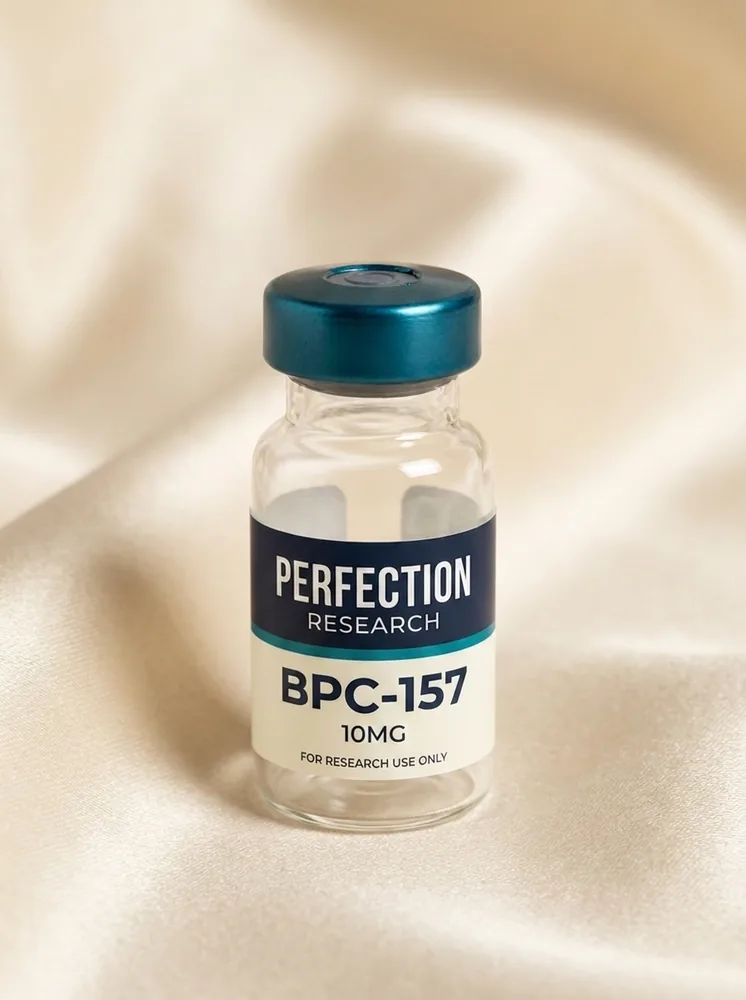
A research overview of the gastric-derived pentadecapeptide BPC-157, its proposed VEGFR2/angiogenesis and growth-hormone-receptor mechanisms, and the tissue-repair, GI, and neurological research domains where it has been studied.
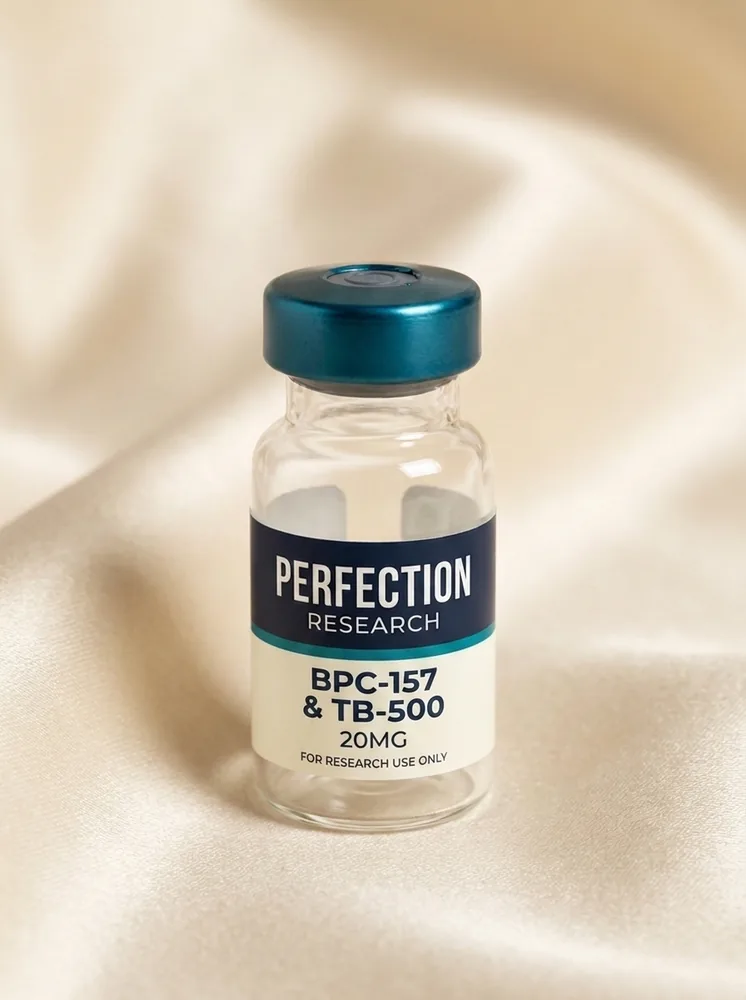
Chemistry, proposed mechanism, and the research domains — cardiac, ophthalmic, and general tissue repair — where the Thymosin Beta-4 fragment appears most in the literature.