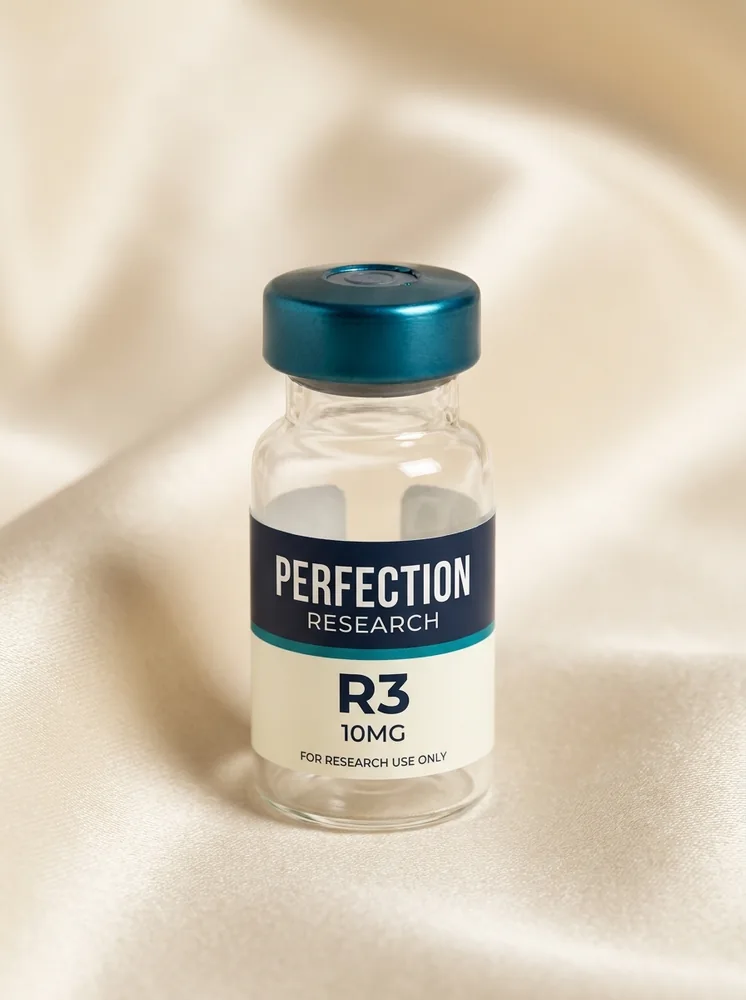
Retatrutide: Triple-Agonist Research Compound Overview
A structural and mechanistic overview of the GLP-1/GIP/glucagon triple-receptor agonist, and the metabolic, hepatic, and structural research domains it has been studied in.
For Research Use Only — Not for human or veterinary use.
You must be 21 years of age or older to enter this site. By entering, you confirm that you are 21 or older, and that any products purchased will be used solely for laboratory research purposes — not for human or veterinary consumption, diagnostic, or therapeutic use.
A research overview of the gastric-derived pentadecapeptide BPC-157, its proposed VEGFR2/angiogenesis and growth-hormone-receptor mechanisms, and the tissue-repair, GI, and neurological research domains where it has been studied.
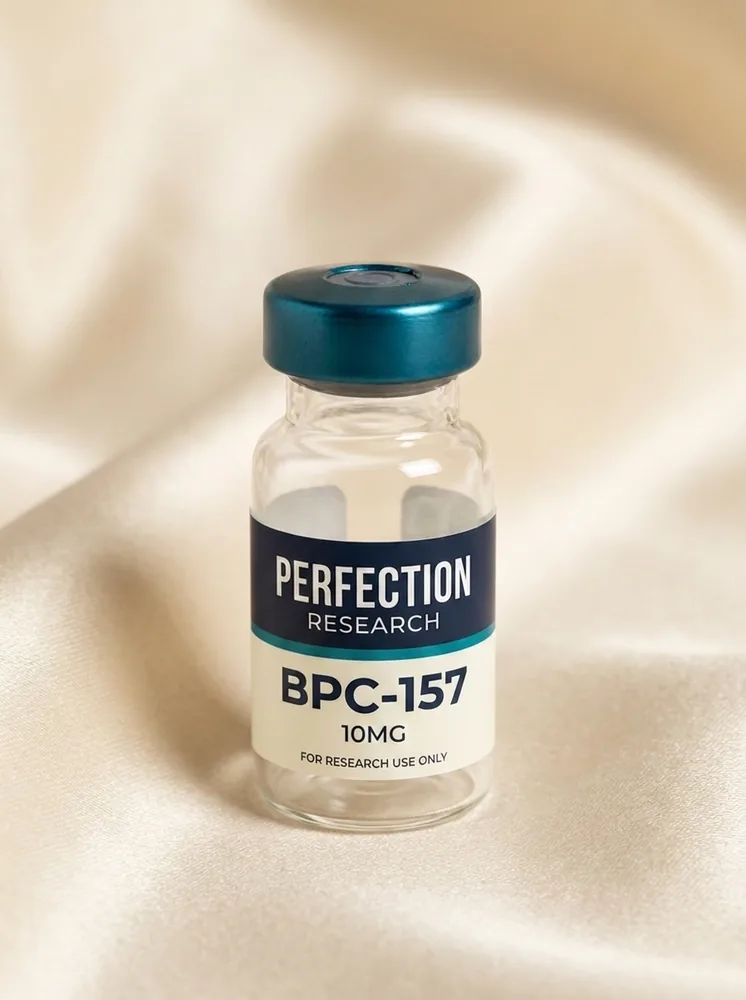
All content on this page is for laboratory and academic reference only. This compound is supplied under a Research Use Only framework for in vitro and preclinical investigation by qualified personnel. Nothing on this page is clinical guidance, and it should not be interpreted as instructions for use in humans or animals.
BPC-157 (short for "Body Protection Compound-157") is a synthetic pentadecapeptide — a chain of 15 amino acids — derived from a partial sequence of a naturally occurring protein detected in human gastric juice. It was first characterized within a Croatian gastroprotection research program led by Sikiric and colleagues, and has since become one of the most frequently referenced compounds in tissue-repair peptide literature, often used as a comparison standard in study design.[1]
Two overlapping mechanisms appear across the BPC-157 literature. The first centers on VEGFR2 (vascular endothelial growth factor receptor 2) — a receptor that drives new blood vessel growth. BPC-157 has been reported to upregulate VEGFR2 expression and promote its internalization in vascular endothelial cell models, activating the downstream Akt-eNOS signaling pathway and increasing nitric oxide production.[2] The second mechanism, studied in tendon fibroblast models, involves increased growth hormone receptor expression alongside enhanced cell migration and stress resistance — a distinct pathway from the angiogenesis mechanism above, though overlapping in downstream tissue-repair effects.[4]
BPC-157 is frequently studied alongside TB-500 (Thymosin Beta-4) in combined-compound tissue-repair research, and is available in this catalog both as a standalone vial and blended with TB-500. Mechanistically the two differ: TB-500 is primarily studied for actin regulation affecting cell migration, while BPC-157's most-reported pathways run through VEGFR2/angiogenesis and growth-hormone-receptor signaling described above.
A Certificate of Analysis for a BPC-157 research vial should report, at minimum: confirmed amino acid sequence (typically via mass spectrometry) and net peptide content. Vials should be stored lyophilized at -20°C, protected from light, consistent with handling guidance for the other lyophilized peptides in this catalog.
BPC-157 is a synthetic pentadecapeptide derived from a partial sequence of a protective protein identified in human gastric juice, first characterized within gastroprotection research.[1]
The two are mechanistically distinct: TB-500 is primarily studied for actin regulation affecting cell migration, while BPC-157 is most associated with VEGFR2/angiogenesis and growth-hormone-receptor signaling. They are frequently studied together in combined-compound tissue-repair research.
A COA for a BPC-157 research vial should report confirmed amino acid sequence and net peptide content, consistent with the documentation standard used across this catalog.
No. BPC-157 is supplied strictly under a Research Use Only framework for laboratory and preclinical investigation, and none of the studies referenced here involve clinical administration guidance.
A structural and mechanistic overview of the GLP-1/GIP/glucagon triple-receptor agonist, and the metabolic, hepatic, and structural research domains it has been studied in.
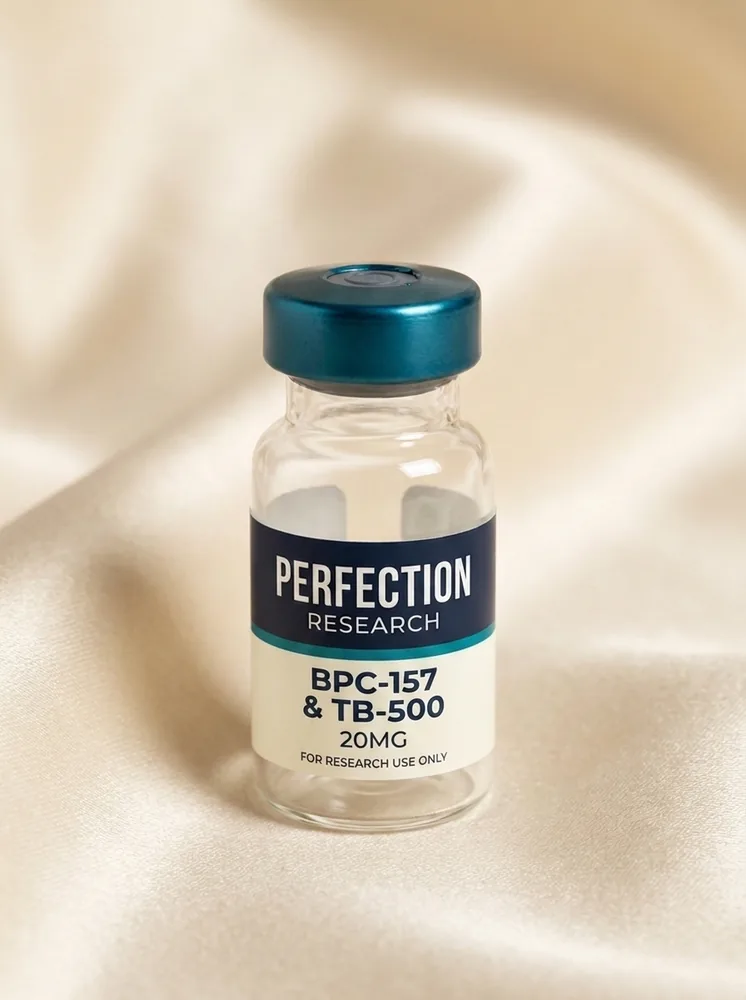
Chemistry, proposed mechanism, and the research domains — cardiac, ophthalmic, and general tissue repair — where the Thymosin Beta-4 fragment appears most in the literature.
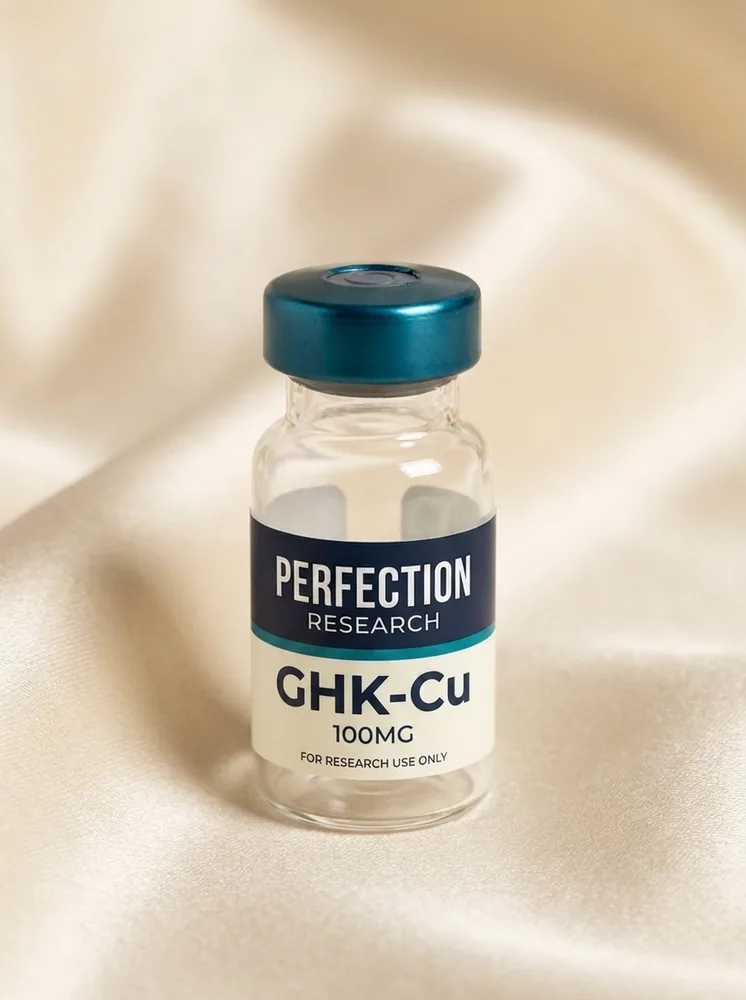
How the copper-binding tripeptide complex is structured, its proposed gene-expression and tissue-remodeling mechanisms, and the dermal, antioxidant, and aging research domains it has been studied in.