
Retatrutide: Triple-Agonist Research Compound Overview
A structural and mechanistic overview of the GLP-1/GIP/glucagon triple-receptor agonist, and the metabolic, hepatic, and structural research domains it has been studied in.
For Research Use Only — Not for human or veterinary use.
You must be 21 years of age or older to enter this site. By entering, you confirm that you are 21 or older, and that any products purchased will be used solely for laboratory research purposes — not for human or veterinary consumption, diagnostic, or therapeutic use.
A research overview of the cardiolipin-binding tetrapeptide SS-31 (elamipretide), its proposed inner-mitochondrial-membrane mechanism, and the metabolic and cardiac research domains it has been studied in.

All content on this page is for laboratory and academic reference only. This compound is supplied under a Research Use Only framework for in vitro and preclinical investigation by qualified personnel. Nothing on this page is clinical guidance, and it should not be interpreted as instructions for use in humans or animals.
SS-31 is a synthetic aromatic-cationic tetrapeptide with the sequence D-Arg-Dmt-Lys-Phe-NH₂, also studied in clinical literature under the name elamipretide. It was designed specifically to concentrate in mitochondrial membranes, with research reporting accumulation at levels roughly 1,000 to 5,000 times higher than the surrounding cytosol — a targeting property distinct from most peptides in this catalog, which do not concentrate selectively in a specific organelle.[2]
SS-31's proposed mechanism centers on selective binding to cardiolipin, a phospholipid concentrated in the inner mitochondrial membrane that is essential for the proper structure of the protein complexes involved in ATP production. Biophysical research reports that SS-31 binds lipid bilayers and modulates surface electrostatics as a key component of its mechanism, stabilizing mitochondrial cristae structure.[1] This distinguishes SS-31 mechanistically from conventional antioxidants: rather than neutralizing reactive oxygen species after they form, SS-31 is studied for protecting the structural integrity of cardiolipin itself, which becomes oxidized and destabilized under conditions of aging, disease, or ischemic injury in the research models studied.
SS-31 is mechanistically distinct from the other mitochondria-related compounds in this catalog. Where MOTS-c is a mitochondrial-genome-encoded peptide studied for AMPK-linked metabolic signaling, SS-31 is a synthetic peptide studied for direct physical binding to cardiolipin within the inner mitochondrial membrane — a structural rather than signaling mechanism.
A Certificate of Analysis for an SS-31 research vial should report, at minimum: confirmed amino acid sequence (typically via mass spectrometry) and net peptide content. Vials should be stored lyophilized at -20°C, protected from light, consistent with handling guidance for the other lyophilized peptides in this catalog.
SS-31 (elamipretide) is a synthetic aromatic-cationic tetrapeptide designed to concentrate selectively in mitochondrial membranes.[2]
Research centers on selective binding to cardiolipin, a phospholipid in the inner mitochondrial membrane, stabilizing membrane structure rather than directly scavenging free radicals.[1]
Yes. A long-term trial (TAZPOWER) studied elamipretide in Barth syndrome, a genetic disorder involving reduced cardiolipin levels, reporting improvements in muscle strength measures during long-term follow-up.[4]
Elamipretide received FDA accelerated approval in September 2025 as a prescription therapy for Barth syndrome, under a specific approved formulation and indication. Vials sold under this catalog's SS-31 listing are a separate, non-clinical research product supplied strictly for laboratory research use — not the approved pharmaceutical product.
A COA for an SS-31 research vial should report confirmed amino acid sequence and net peptide content, consistent with the documentation standard used across this catalog.
No. The SS-31 product in this catalog is supplied strictly under a Research Use Only framework for laboratory and preclinical investigation, and none of the studies referenced here involve clinical administration guidance for this product.
A structural and mechanistic overview of the GLP-1/GIP/glucagon triple-receptor agonist, and the metabolic, hepatic, and structural research domains it has been studied in.
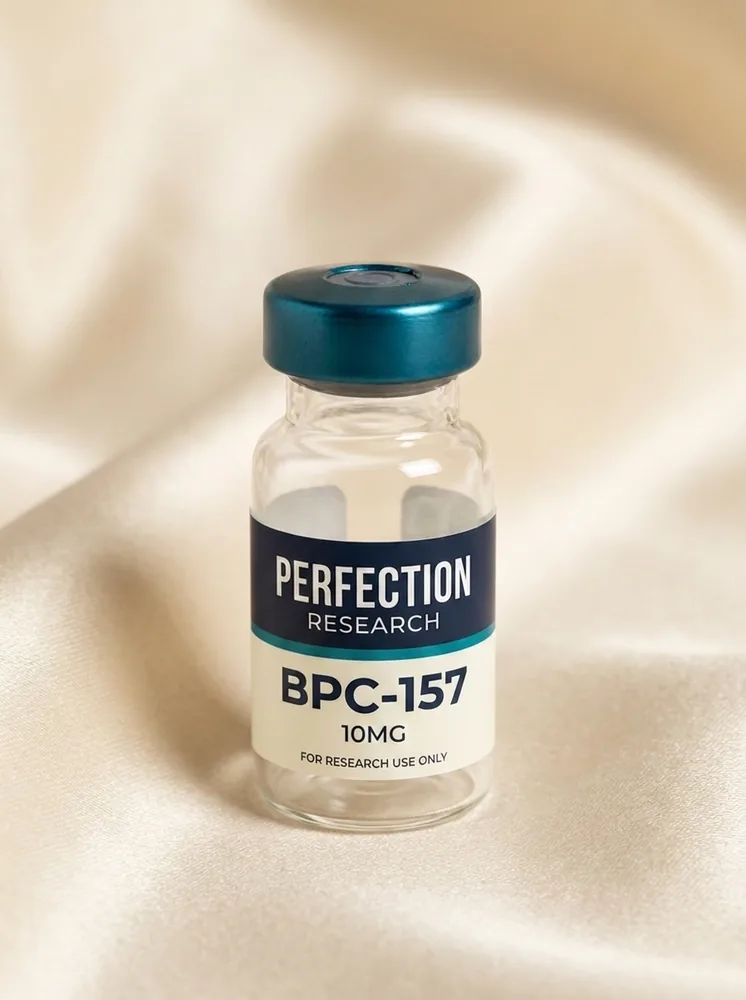
A research overview of the gastric-derived pentadecapeptide BPC-157, its proposed VEGFR2/angiogenesis and growth-hormone-receptor mechanisms, and the tissue-repair, GI, and neurological research domains where it has been studied.
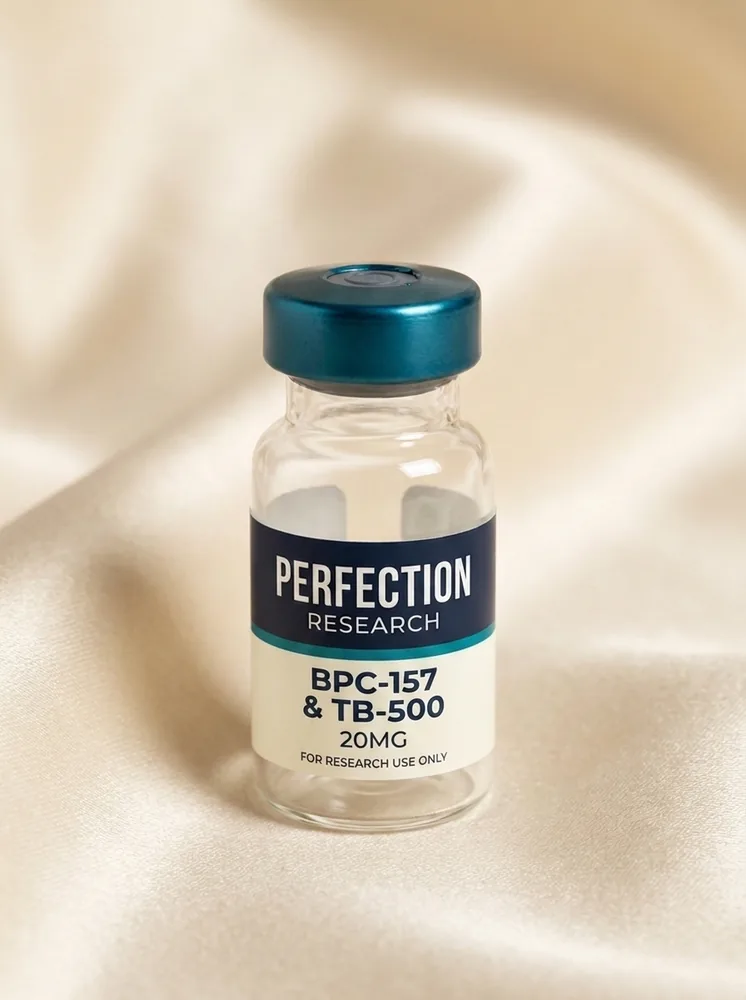
Chemistry, proposed mechanism, and the research domains — cardiac, ophthalmic, and general tissue repair — where the Thymosin Beta-4 fragment appears most in the literature.