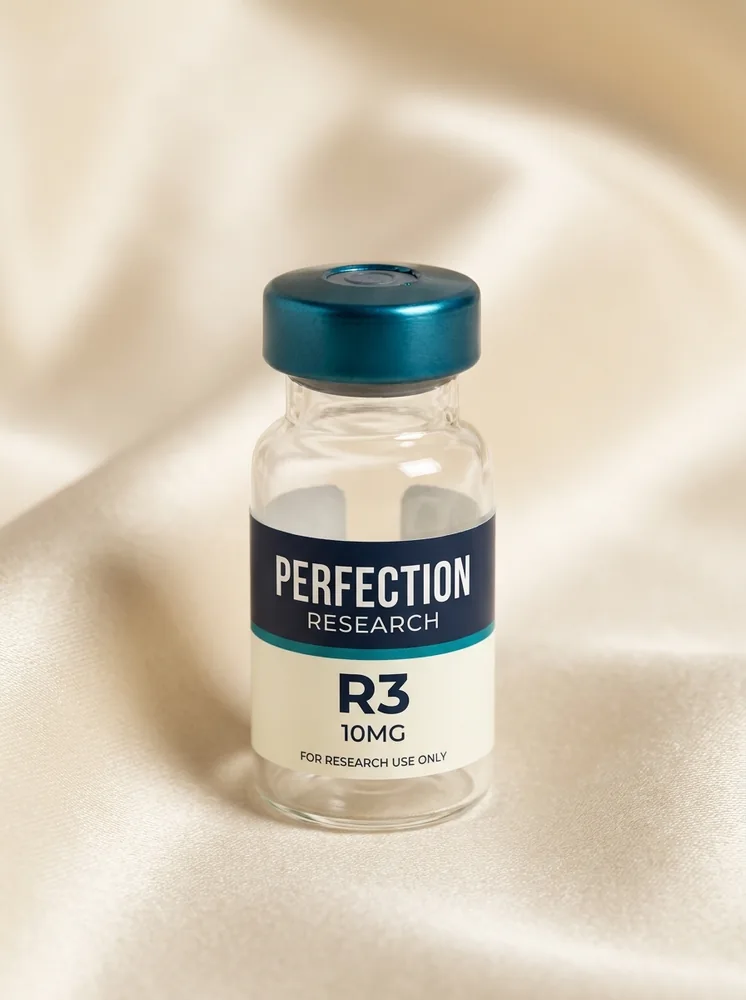
Retatrutide: Triple-Agonist Research Compound Overview
A structural and mechanistic overview of the GLP-1/GIP/glucagon triple-receptor agonist, and the metabolic, hepatic, and structural research domains it has been studied in.
For Research Use Only — Not for human or veterinary use.
You must be 21 years of age or older to enter this site. By entering, you confirm that you are 21 or older, and that any products purchased will be used solely for laboratory research purposes — not for human or veterinary consumption, diagnostic, or therapeutic use.
How the copper-binding tripeptide complex is structured, its proposed gene-expression and tissue-remodeling mechanisms, and the dermal, antioxidant, and aging research domains it has been studied in.
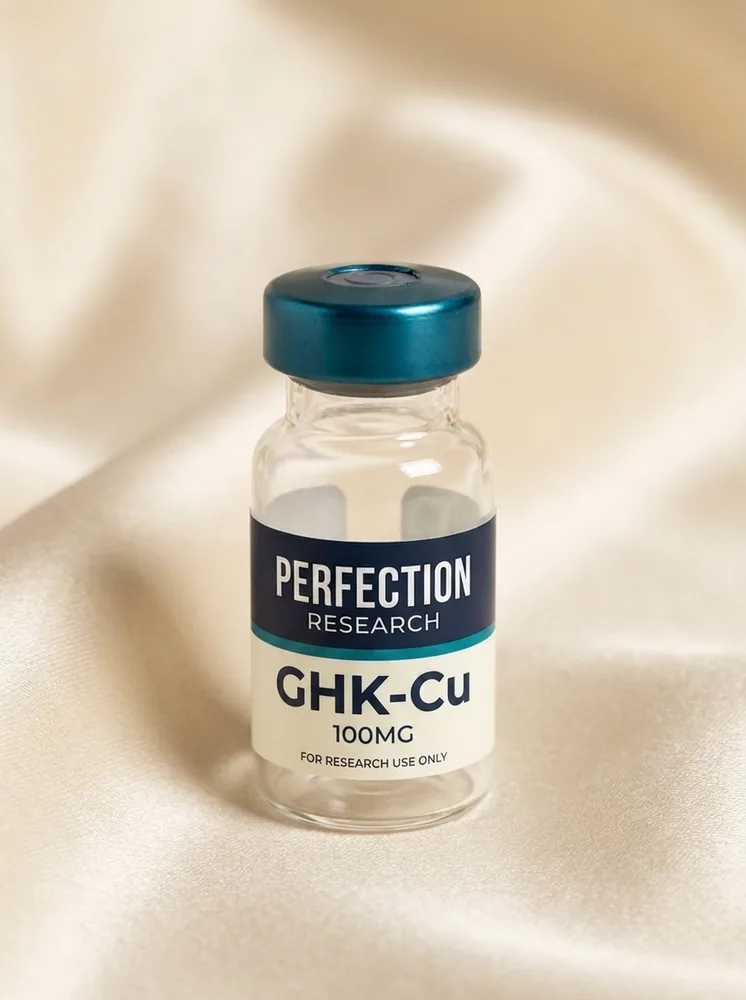
All content on this page is for laboratory and academic reference only. This compound is supplied under a Research Use Only framework for in vitro and preclinical investigation by qualified personnel. Nothing on this page is clinical guidance, and it should not be interpreted as instructions for use in humans or animals.
GHK-Cu is a naturally occurring tripeptide — glycyl-L-histidyl-L-lysine (GHK) — bound to a copper(II) ion. GHK itself was first isolated from human plasma, and is also found in saliva and urine; its concentration is reported to decline substantially with age. GHK has a high binding affinity for copper, forming the stable GHK-Cu complex that is the subject of most published research on this compound.[1]
Two mechanisms recur across the GHK-Cu literature. First, the bound copper ion is studied as a functional cofactor for lysyl oxidase and lysyl hydroxylase, two enzymes required for proper collagen cross-linking and structural stability — this is the proposed basis for GHK-Cu's studied effects on collagen and connective-tissue research models.[1] Second, a bioinformatic analysis using gene expression profiling data reported that GHK is associated with expression changes across a large proportion of the profiled human genome — described as affecting roughly 31% of genes analyzed at a defined expression-change threshold — with functional categories mapped to tissue repair, inflammation modulation, antioxidant defense, and DNA repair pathways.[3] This gene-expression mechanism is described in the literature as distinct from, and complementary to, the enzymatic cofactor role above.
GHK-Cu is studied independently as a standalone research compound, and is also one of the components in this catalog's Glow blend, which combines it with BPC-157 and TB-500 for researchers studying combined-compound protocols. Mechanistically, GHK-Cu is distinct from both of those peptides: its research basis centers on copper-dependent collagen enzymology and broad gene-expression modulation, rather than the receptor- or actin-mediated pathways reported for BPC-157 and TB-500.
A Certificate of Analysis for a GHK-Cu research vial should report, at minimum: confirmed peptide sequence and net peptide content (typically via mass spectrometry). Because GHK-Cu is a metal-peptide complex, researchers should also note that copper-peptide stability can be sensitive to environmental factors; vials should be stored lyophilized at -20°C, protected from light, consistent with handling guidance for the other lyophilized peptides in this catalog.
GHK-Cu is a naturally occurring tripeptide (glycyl-L-histidyl-L-lysine) bound to a copper(II) ion, first isolated from human plasma.[1]
A bioinformatic analysis using gene expression profiling data reported GHK-associated expression changes across a large proportion of the human genes analyzed, with categories including tissue repair, inflammation, and DNA repair.[3]
No — published literature also discusses GHK-Cu in aging-related and antioxidant research contexts, alongside its dermal and collagen research applications.
A COA for a GHK-Cu research vial should report confirmed peptide sequence and net peptide content. Because it is a metal-peptide complex, note that copper-peptide stability can be sensitive to storage and environmental conditions.
No. GHK-Cu is supplied strictly under a Research Use Only framework for laboratory and preclinical investigation, and none of the studies referenced here involve clinical administration guidance.
A structural and mechanistic overview of the GLP-1/GIP/glucagon triple-receptor agonist, and the metabolic, hepatic, and structural research domains it has been studied in.
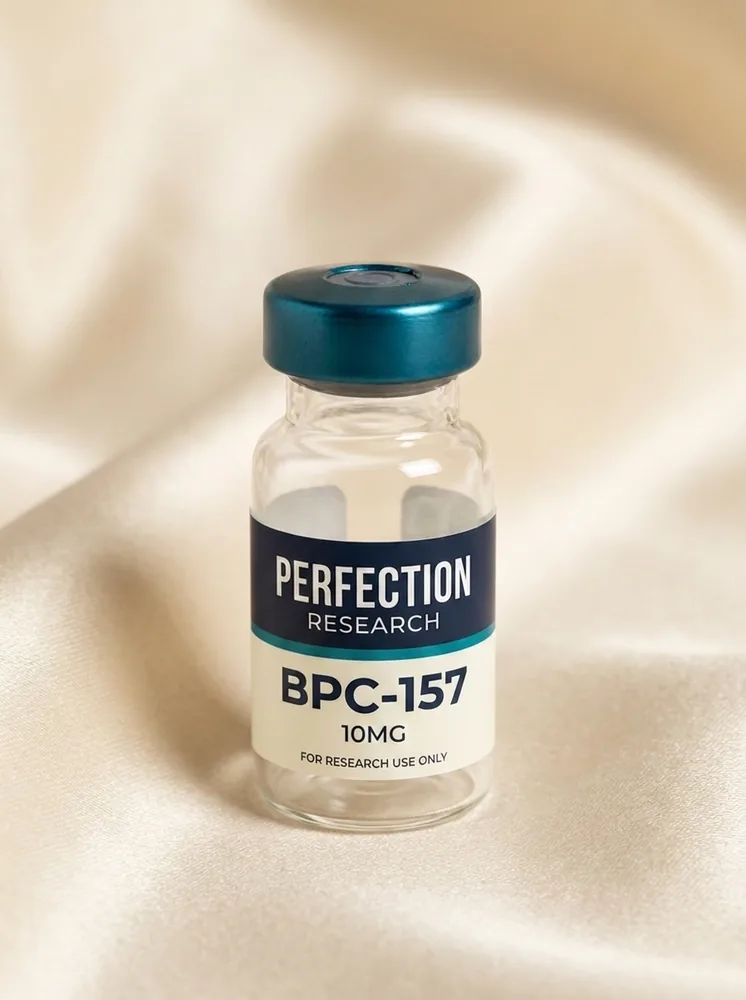
A research overview of the gastric-derived pentadecapeptide BPC-157, its proposed VEGFR2/angiogenesis and growth-hormone-receptor mechanisms, and the tissue-repair, GI, and neurological research domains where it has been studied.
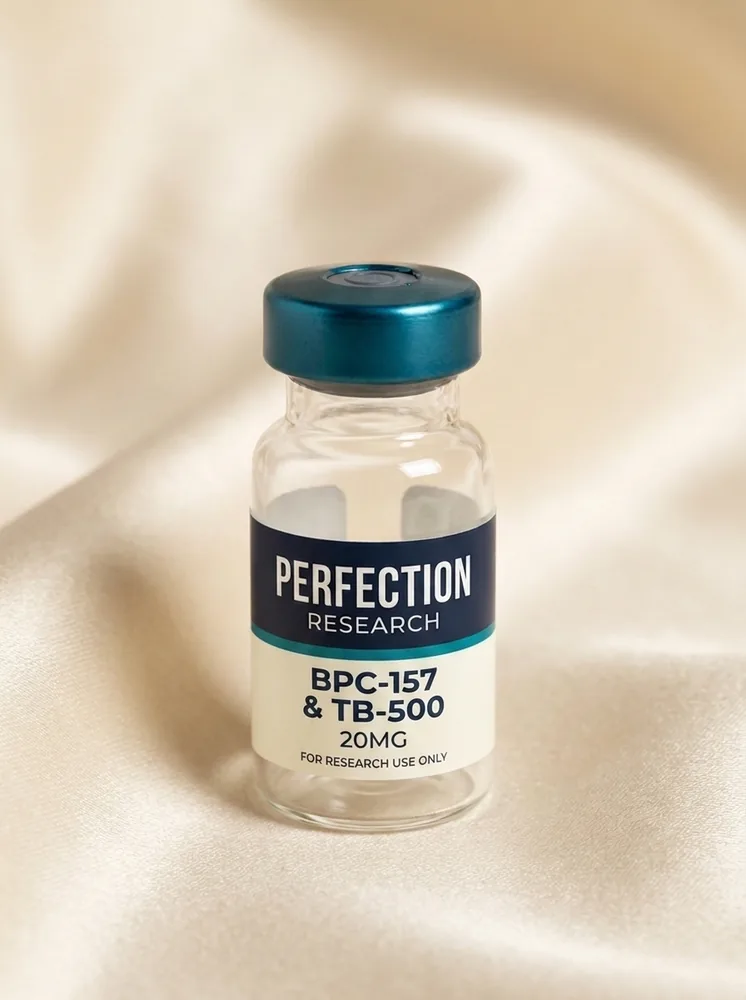
Chemistry, proposed mechanism, and the research domains — cardiac, ophthalmic, and general tissue repair — where the Thymosin Beta-4 fragment appears most in the literature.