Retatrutide vs. Tirzepatide: Where the 2026 Research Stands
A literature roundup comparing the peer-reviewed trial data behind retatrutide and tirzepatide — and why no head-to-head study between them has been published.
For Research Use Only — Not for human or veterinary use.
You must be 21 years of age or older to enter this site. By entering, you confirm that you are 21 or older, and that any products purchased will be used solely for laboratory research purposes — not for human or veterinary consumption, diagnostic, or therapeutic use.
A side-by-side look at Selank and Semax — two ACTH/tuftsin-derived heptapeptides from the same research tradition, their distinct mechanisms, and the one study that examined both together.
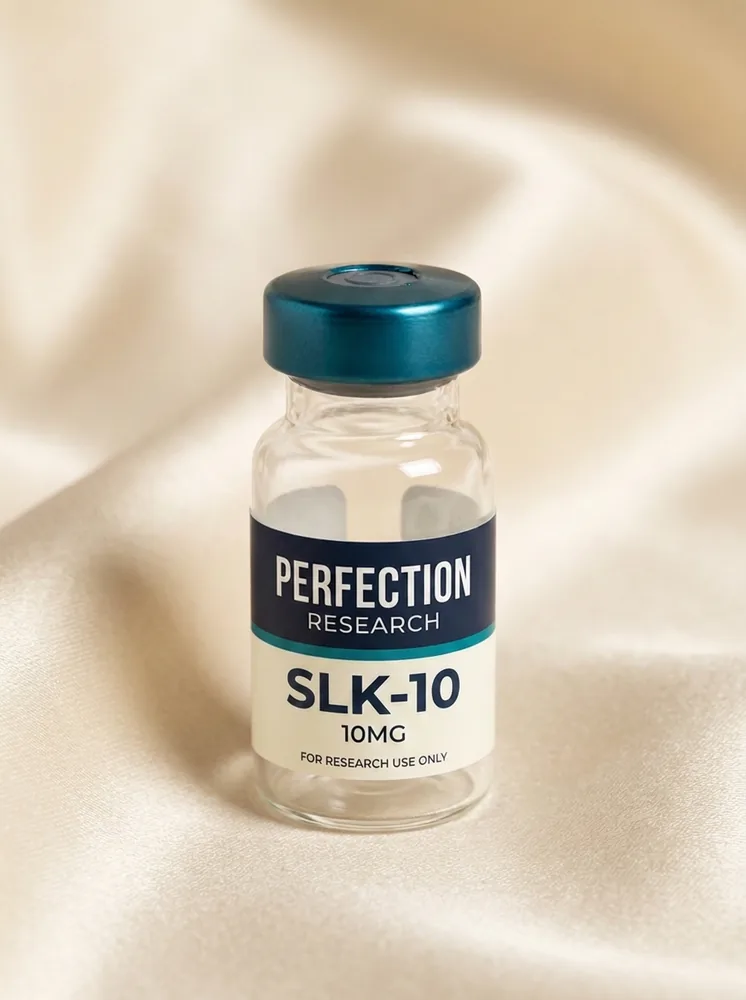
All content on this page is for laboratory and academic reference only. This compound is supplied under a Research Use Only framework for in vitro and preclinical investigation by qualified personnel. Nothing on this page is clinical guidance, and it should not be interpreted as instructions for use in humans or animals.
Selank and Semax are frequently discussed together because they emerged from the same Russian neuropharmacology research tradition and share a structural design principle: both are short synthetic peptides built by extending a naturally occurring parent sequence with a C-terminal Pro-Gly-Pro tripeptide to improve metabolic stability. Beyond that shared design logic, however, they are derived from different parent molecules and are studied for largely different research questions — Semax from the ACTH(4-10) fragment, Selank from the immune-signaling tetrapeptide tuftsin.[1][4]
The two compounds' proposed mechanisms are distinct and non-overlapping in most of the published literature. Semax's research centers on BDNF/trkB signaling: rat hippocampus studies report a single Semax dose increasing BDNF protein levels, trkB receptor phosphorylation, and BDNF/trkB mRNA expression, with researchers proposing this pathway underlies Semax's studied cognitive effects.[1] Selank's research instead centers on enkephalinase inhibition: in vitro work reports Selank dose-dependently inhibiting the enzymatic breakdown of plasma enkephalins, proposed as the mechanistic basis for its studied anxiolytic activity by preserving endogenous opioid-like signaling tone.[3] The one point of direct overlap in the literature is a 2020 human neuroimaging study that administered both compounds separately to healthy volunteers and compared resting-state fMRI functional connectivity changes — this remains the only published work examining the two compounds within the same study design.[7]
Despite their shared research lineage, Selank and Semax are not interchangeable in the literature — researchers citing one should not assume findings transfer to the other, since their proposed mechanisms (BDNF/trkB signaling versus enkephalinase inhibition) are distinct and were established in separate, non-overlapping study designs. See the dedicated SMX-10 and SLK-10 research overviews on this blog for each compound's full individual citation list.
Certificates of Analysis for both SMX-10 and SLK-10 research vials should report confirmed amino acid sequence and net peptide content. Both are stored lyophilized at -20°C, protected from light, consistent with handling guidance for the other lyophilized peptides in this catalog.
No. They are structurally distinct heptapeptides derived from different parent molecules — tuftsin for Selank, ACTH(4-10) for Semax — that happen to share a research tradition and a stability-enhancing Pro-Gly-Pro design element.
Yes, one: a 2020 human resting-state fMRI study administered each compound separately to healthy volunteers and compared their effects on brain functional connectivity.[7]
No. Semax's literature centers on BDNF/trkB signaling, while Selank's centers on enkephalinase inhibition — two distinct, separately evidenced mechanisms.
No. Both are supplied strictly under a Research Use Only framework for laboratory and preclinical investigation, and none of the studies referenced here involve clinical administration guidance.
A literature roundup comparing the peer-reviewed trial data behind retatrutide and tirzepatide — and why no head-to-head study between them has been published.
A recurring roundup of newly published, PubMed-indexed peptide research — this installment covers BPC-157's first human safety data and a new NAD+ precursor trial.
A summary of recent regulatory developments affecting compounding and research-use peptide supply chains.