New Peptide Research Published This Quarter (Q2–Q3 2026)
A recurring roundup of newly published, PubMed-indexed peptide research — this installment covers BPC-157's first human safety data and a new NAD+ precursor trial.
For Research Use Only — Not for human or veterinary use.
You must be 21 years of age or older to enter this site. By entering, you confirm that you are 21 or older, and that any products purchased will be used solely for laboratory research purposes — not for human or veterinary consumption, diagnostic, or therapeutic use.
A literature roundup comparing the peer-reviewed trial data behind retatrutide and tirzepatide — and why no head-to-head study between them has been published.
All content on this page is for laboratory and academic reference only. This compound is supplied under a Research Use Only framework for in vitro and preclinical investigation by qualified personnel. Nothing on this page is clinical guidance, and it should not be interpreted as instructions for use in humans or animals.
Retatrutide and tirzepatide are both multi-receptor agonist peptides studied in metabolic research, and both are frequently discussed together because they represent successive steps in the same research trajectory: single-receptor GLP-1 agonists, then dual-receptor GLP-1/GIP agonists (tirzepatide), then triple-receptor GLP-1/GIP/glucagon agonists (retatrutide). Despite the frequent comparison, it is worth stating plainly: no published clinical trial has directly compared the two compounds head-to-head. Every comparison available in the literature, including this one, is a cross-trial comparison — drawing on separate studies run at different times, with different dose ranges, participant populations, and trial durations, which limits how directly their results can be compared.
Tirzepatide is studied as a dual agonist at the GLP-1 receptor (GLP-1R) and the GIP receptor (GIPR), with research reporting it engages the GIP receptor more strongly than the GLP-1 receptor. This dual engagement has been reported to improve beta-cell function and insulin sensitivity to a greater extent than single-receptor comparators in type 2 diabetes research models.[5] Retatrutide adds a third receptor target, the glucagon receptor (GCGR), which structural studies describe as contributing energy-expenditure and hepatic fat-mobilization effects not present in dual-receptor compounds.[3] Whether this third-receptor addition translates into superior outcomes compared with tirzepatide specifically has not been tested in a direct trial — the mechanistic rationale and the comparative efficacy claim are two separate things, and only the former is currently well-supported by published research.
The responsible way to read the retatrutide/tirzepatide literature as it currently stands: tirzepatide has the more mature, phase-3-validated peer-reviewed record, while retatrutide's peer-reviewed record is still at the phase 2 stage, with phase 3 data pending formal publication. Numeric comparisons between the two compounds' reported weight-loss percentages should be treated cautiously given the different trial phases, durations, and designs involved — this is a case where the absence of a head-to-head trial matters as much as any individual trial's results.
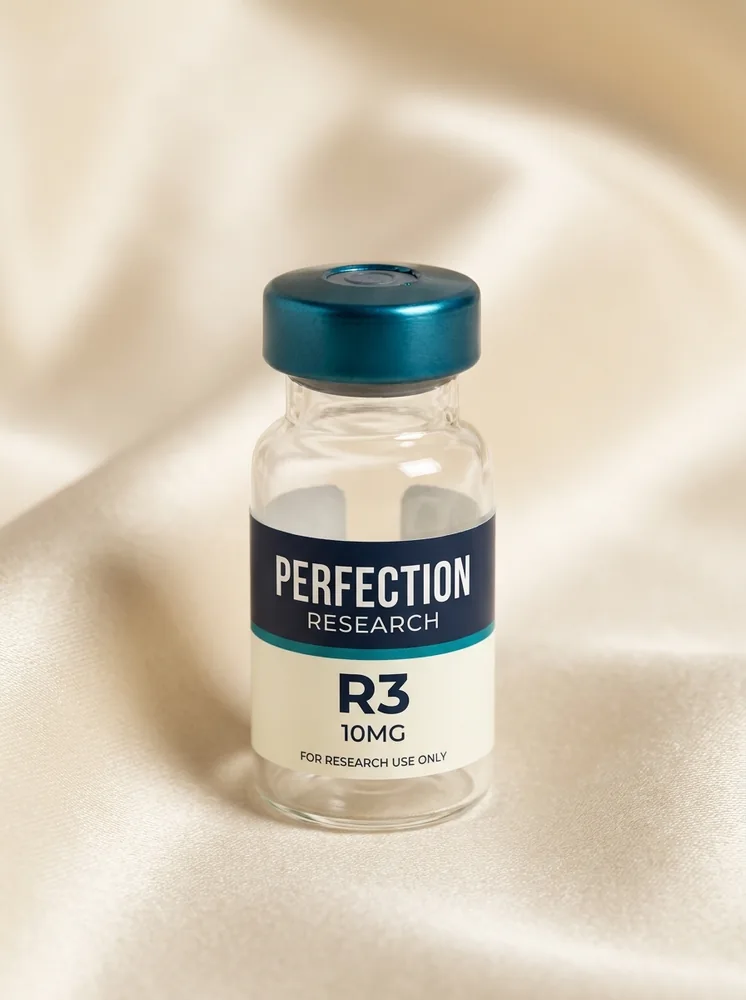
A Certificate of Analysis for an R3 (retatrutide) research vial should report confirmed amino acid sequence and net peptide content, consistent with the documentation standard used across this catalog. See the dedicated R3 research overview for full compound-specific citations.
No. As of this writing, no published head-to-head trial has directly compared the two compounds. Available comparisons are cross-trial, drawing on separately conducted studies.
Not yet as of this writing. Topline results were announced via press release; formal peer-reviewed publication was still pending at time of writing. Readers should treat press-release topline figures as preliminary until they appear in a peer-reviewed, PubMed-indexed journal.
No. Research compounds sold in this catalog are supplied strictly under a Research Use Only framework for laboratory and preclinical investigation, and none of the studies referenced here involve clinical administration guidance outside their own regulated trial protocols.
A recurring roundup of newly published, PubMed-indexed peptide research — this installment covers BPC-157's first human safety data and a new NAD+ precursor trial.
A summary of recent regulatory developments affecting compounding and research-use peptide supply chains.
A side-by-side look at Selank and Semax — two ACTH/tuftsin-derived heptapeptides from the same research tradition, their distinct mechanisms, and the one study that examined both together.