How to Evaluate a Research Peptide Supplier: COA Quality, Traceability, and Red Flags
What cold-chain documentation and third-party testing should actually look like.
For Research Use Only — Not for human or veterinary use.
You must be 21 years of age or older to enter this site. By entering, you confirm that you are 21 or older, and that any products purchased will be used solely for laboratory research purposes — not for human or veterinary consumption, diagnostic, or therapeutic use.
A walkthrough of how to interpret HPLC and mass-spec results on a real certificate of analysis.
All content on this page is for laboratory and academic reference only. This compound is supplied under a Research Use Only framework for in vitro and preclinical investigation by qualified personnel. Nothing on this page is clinical guidance, and it should not be interpreted as instructions for use in humans or animals.
[Placeholder — chemistry, molecular structure, and origin to be written and cited.]
[Placeholder — mechanism explained in plain English, with jargon defined inline, to be written and cited.]
[Placeholder — comparison to 2-3 related compounds, each linking to its product page, to be written.]
[Placeholder — sequence confirmation, net peptide content, and storage temps to be detailed.]
[Placeholder — numbered, PubMed-indexed citations with PMID links to be added here. No citations are included until independently verified.]
[Placeholder answer — 2-4 sentences, research-framed, to be written.]
What cold-chain documentation and third-party testing should actually look like.
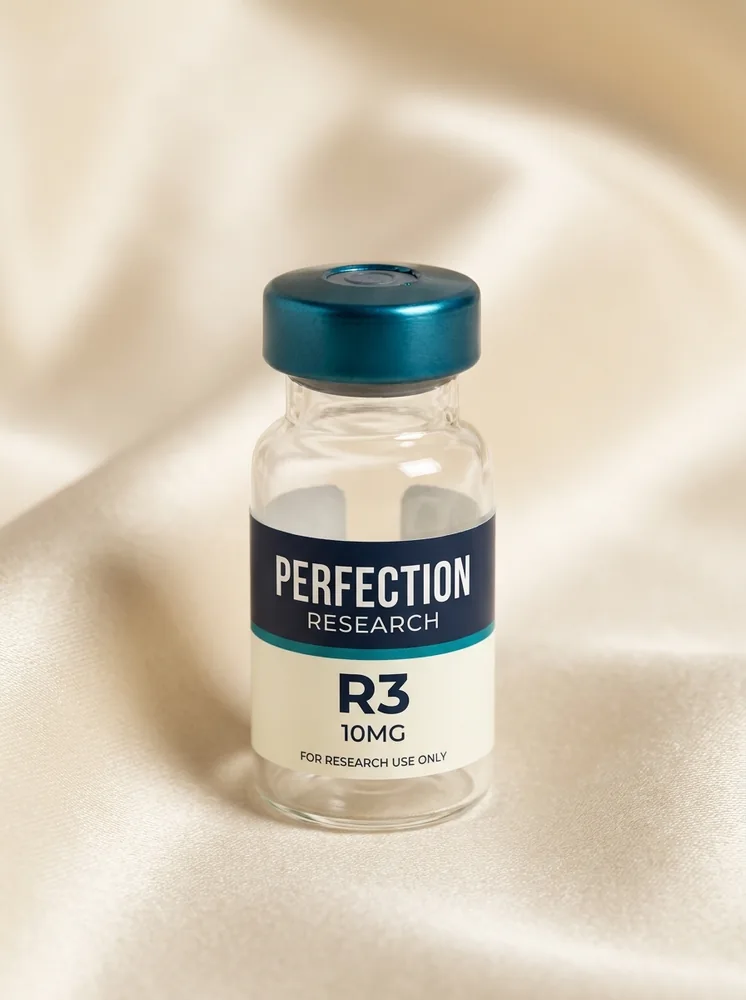
A structural and mechanistic overview of the GLP-1/GIP/glucagon triple-receptor agonist, and the metabolic, hepatic, and structural research domains it has been studied in.
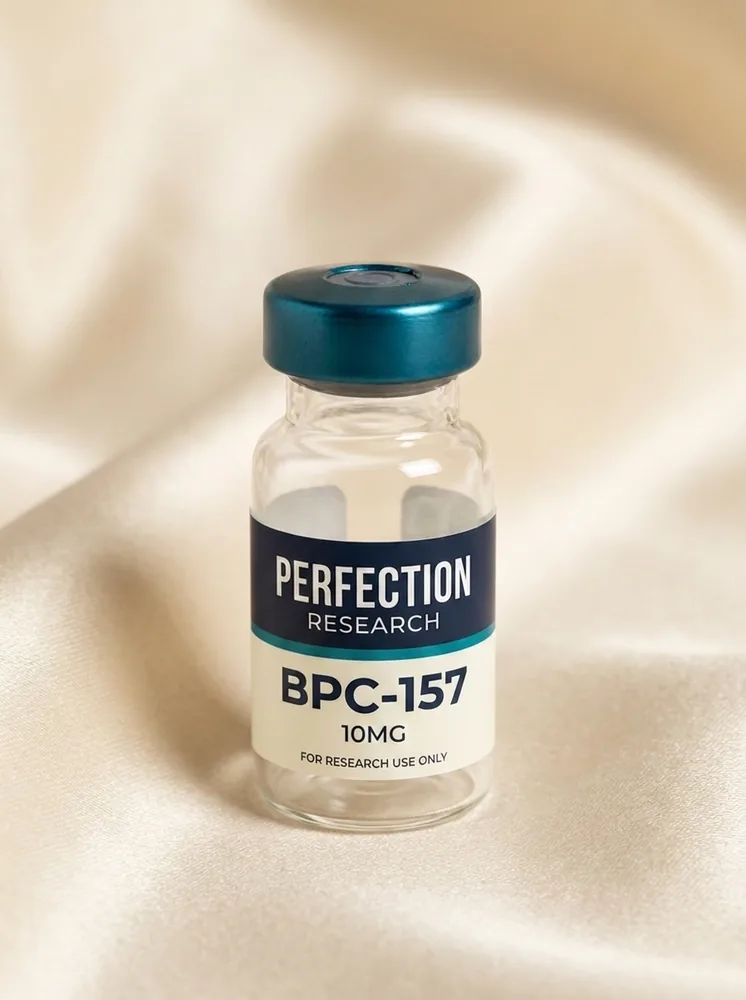
A research overview of the gastric-derived pentadecapeptide BPC-157, its proposed VEGFR2/angiogenesis and growth-hormone-receptor mechanisms, and the tissue-repair, GI, and neurological research domains where it has been studied.